
Whoa! I stumbled into this the other day while testing a new drop. My first impression: faster, cleaner, almost too smooth. But there was this itch—something felt off about the onboarding flow. Initially I thought it was just latency, but then I realized the UX choices themselves were shifting how people interact with NFTs and dapps. Okay, so check this out—if you’re used to browser extensions, web-based wallets reframe expectations for security and convenience in surprising ways.
Seriously? Yes. The web version removes a lot of friction. It keeps private keys in the same device context, which matters for trust. Yet, on the other hand, centralizing the experience in a single web app can concentrate risk if the app isn’t hardened properly. My instinct said “this is great for new users”, though actually, wait—let me rephrase that: it’s great for discovery but demands better education about approvals and signatures.
Here’s the thing. Solana’s architecture already gives dapps big performance headroom. Transactions confirm quickly, fees stay low, and composability is tight. That opens doors for UX experiments that felt impossible a year ago. For builders, that means faster feature loops and more daring product bets. For collectors and casual users, it means you can mint, flip, and stake without needing a PhD in wallet management. I’m biased, but that part really excites me.
Hmm… some trade-offs matter. Short-term convenience sometimes hides long-term complexity. I kept thinking about recovery flows and edge-case account migrations. On one hand the web wallet streamlines things, though actually there are nuanced failure modes when network endpoints change or when local storage becomes inconsistent across devices. Developers must design graceful fallbacks, not just optimistic happy paths.
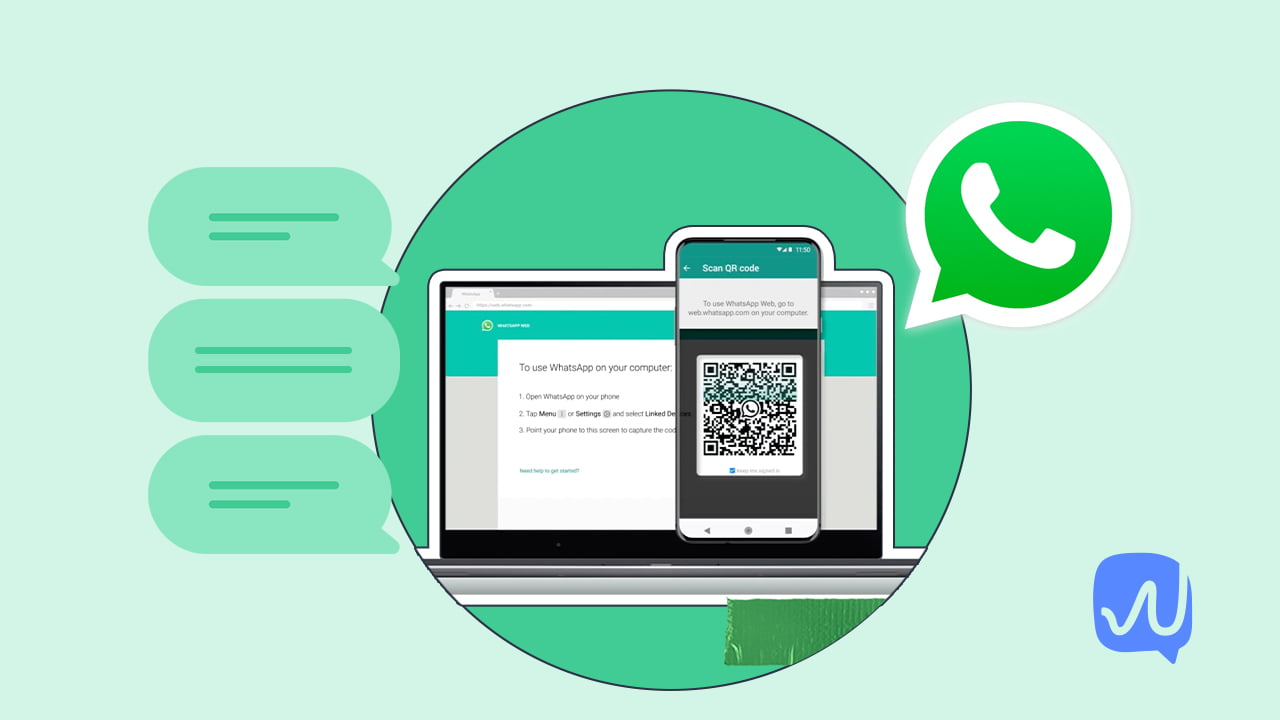
How the Phantom web experience shapes NFT behavior
Minting moments are social now. People tweet screenshots immediately. They show up in Discord and brag about rare traits, and that momentum matters for projects. The web wallet reduces drop friction. Users don’t need to install anything extra, and that lowers the bar for impulse participation. That is both amazing and slightly terrifying because impulsive mints can lead to regrets—been there, done that.
From a technical view, Solana NFTs use metaplex standards most of the time, and dapps lean on predictable on-chain metadata. This consistency lets web wallets pre-render token galleries fast. But isn’t metadata mutable sometimes? Yes, and that creates trust questions when art updates or off-chain links change over time. On the bright side, builders can do more complex minting flows—lazy mints, raffles, or drop-phase logic—that feel native in a web environment because the UI and dapp can coordinate without extension handoffs.
Whoa! Consider approvals too. Web wallets often present a single consolidated permission model that simplifies grant/revoke actions. That reduces approval fatigue. Yet if you click through too casually, you might have very broad access granted without realizing it. So, UX nudges and clear permission language are essential to prevent accidental overreach.
My gut says wallets should require contextualized confirmations—show transaction intent, not raw instruction payloads. Initially I thought a checkbox was enough, but then I watched users repeatedly approve complex sets of instructions without reading them. This part bugs me; product designers need to lean into human behavior, not against it.
Developer takeaways — build assuming the web wallet
First, assume users will come in via a link or QR scan. Design for instant context switching: ephemeral auth states, immediate token reads, and fast UI hydration. Second, add robust error handling. Network hiccups or partial signature sets will happen, and users deserve clear next steps. Third, instrument feature flags and gradual rollouts—push changes incrementally so you can observe real user reactions without breaking a whole cohort.
Something else—use the wallet’s API to preflight actions. Show gas estimates in familiar terms. Show the exact NFTs affected. Give users control over slippage and approvals. Also, consider account abstraction patterns for better multi-session experiences. These are more advanced, sure, but they improve onboarding for mainstream audiences without compromising decentralization too much.
Check this out—I’ve used the phantom wallet web build in multiple product tests and the integration felt seamless. The one-click connect experience cut down our signup funnel dramatically. Not every product will need that tight coupling though; sometimes a light-touch link to the wallet is smarter for growth and risk management. I’m not 100% sure which is best for every project, but running A/B tests helped us understand user drop-off points quickly.
On security: don’t skimp on audits. Web apps can be targeted via supply-chain attacks, DNS tweaks, and malicious iframes. Hardening requires both code-level controls and operational vigilance—CSP headers, subresource integrity, and solid domain monitoring. Users don’t often see those, but they feel the impact when something goes sideways.
Examples that surprised me
One collector used a phone browser to mint during breakfast. He paid market price, flipped within hours, and told his friends—all without installing an extension. That was wild. Another project used a progressive web app style storefront with session persistence that survived a browser crash; the checkout resumed perfectly. These behaviors wouldn’t have scaled on slower chains like Ethereum mainnet due to gas unpredictability, but Solana’s predictability made them practical.
I’m telling stories because patterns matter. Builders should watch for clustering of behaviors—where people mint, the times they buy, the devices they use. Small signals can inform product decisions that shift metrics meaningfully.
Frequently asked questions
Is the web version of Phantom as secure as the extension?
Short answer: it depends. Both can be secure if implemented well. The web wallet centralizes some surfaces while reducing others; the right operational security, clear permission prompts, and user education bridge much of the risk. I’m biased toward transparency in UI—show users what they’re signing.
Will NFTs on Solana work the same across wallets?
Mostly yes. Standards like Metaplex help interoperability. Though edge cases exist when projects use custom metadata or non-standard instruction sets. Test with multiple wallets and devices, and expect a few quirks with advanced minting logic.